
Can Dandruff Cause Hair Fall? Understanding the Science Behind the Link
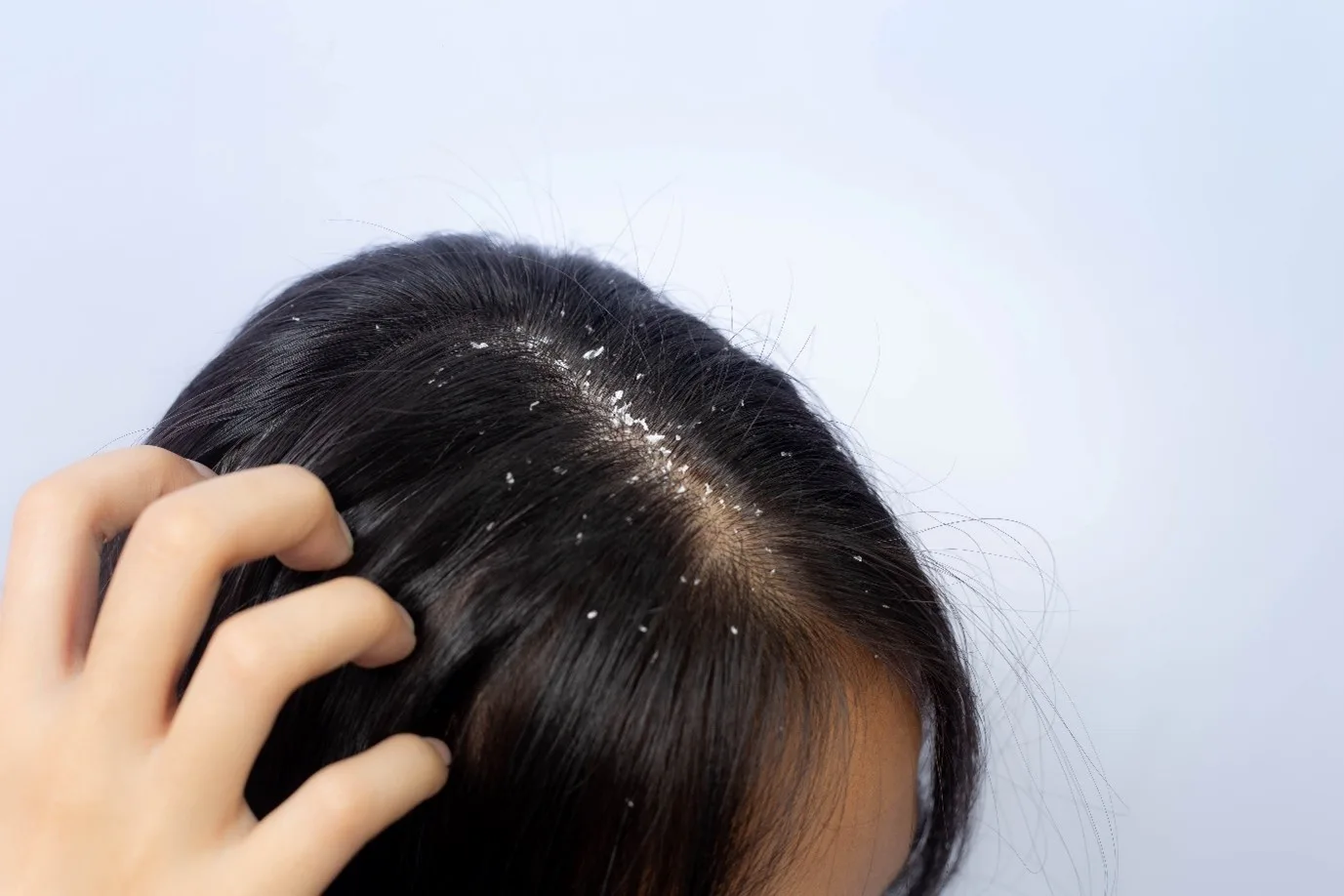
If you've noticed more hair on your comb on the days your scalp is flakiest, you're not imagining things. Hairfall due to dandruff is a true concern for millions of people in India, especially during humid monsoon months or cold, dry winters.
So, does dandruff cause hair fall? The direct answer: not directly. But the inflammation, itching, and scalp damage that come with dandruff absolutely can. "Dandruff itself doesn't pull hair out, but the chronic scalp inflammation it triggers can push follicles into a resting phase, accelerating shedding. Early treatment is key." — Dr. Meera Nair, Consultant Dermatologist. Research shows dandruff can increase daily hair shedding from 50–100 strands to 100–300 strands over just two days. Here's why and what can be done about it.
Table of Contents
How Dandruff and Hair Fall Are Connected
Is It Dandruff — or Something Else?
7 Dermatologist-Backed Ways to Prevent Dandruff-Related Hair Fall
Does Hair Fall Due to Dandruff Grow Back?
Frequently Asked Questions
How Dandruff and Hair Fall Are Connected
The process unfolds in five steps:
• Step 1 — Malassezia overgrowth:
The fungus Malassezia globosa feeds on scalp sebum and produces oleic acid. Around 50% of people react to this byproduct.
• Step 2 — Inflammation:
Oleic acid triggers an immune response, releasing pro-inflammatory cytokines that disrupt the scalp's natural barrier.
• Step 3 — Hair cycle disruption:
Persistent inflammation pushes follicles from the active growth phase (anagen) into the resting/shedding phase (telogen) — a condition called telogen effluvium.
• Step 4 — Scratching damage:
Intense itching leads to scratching, which injures follicles, causes breakage, and weakens roots — a leading reason for heavy hair fall due to dandruff.
• Step 5 — Scarring (severe cases):
Repeated, untreated inflammation can scar follicles permanently, preventing new hair from growing.
Key Takeaway
-
Malassezia fungus produces oleic acid on the scalp, triggering an immune response and chronic inflammation in ~50% of people
-
Persistent inflammation pushes follicles into the shedding (telogen) phase, accelerating hair fall beyond the normal range
-
Scratching from itchiness injures follicles and weakens roots — and repeated inflammation can cause permanent scarring over time
Is It Dandruff — or Something Else?
Not all scalp flaking is dandruff. Can dry scalp cause hair loss? Yes, but for different reasons. Here's how to tell common conditions apart:
| Condition | Flakes | Itching | Hair Loss Risk | Treatment |
|---|---|---|---|---|
| Regular Dandruff | White, small | Mild–moderate | Indirect (scratching) | Anti-dandruff shampoo (PO) |
| Seborrheic Dermatitis | Yellowish, greasy | Moderate–severe | Possible if chronic | Medicated shampoo + topicals |
| Scalp Psoriasis | Thick, silvery | Severe | At patch sites | Prescription treatment |
| Dry Scalp | Small, powdery | Mild | Unlikely | Moisturising products |
If your dandruff doesn't improve within 2–4 weeks of using an anti-dandruff shampoo, consult a dermatologist — it may be a different condition entirely.
Key Takeaway
-
Seborrheic dermatitis, scalp psoriasis, and dry scalp all mimic dandruff but have different causes and require different treatments
-
Dry scalp causes hair loss indirectly through itching and scratching, and needs moisturising products — not antifungal ones
-
No improvement after 2–4 weeks of anti-dandruff shampoo is a clear sign to see a dermatologist
7 Dermatologist-Backed Ways to Prevent Dandruff-Related Hair Fall
Here's how to prevent dandruff in hair and protect your strands at the same time:
1. Use a Piroctone Olamine (PO) Shampoo
PO is one of the most effective anti-dandruff actives available. It starves Malassezia by blocking its iron metabolism, disrupts its cell membrane, and reduces scalp inflammation — all without stripping the scalp's natural lipid barrier. Clinical data shows over 80% dandruff reduction after 6 weeks. Head & Shoulders Anti-Hairfall Dandruff Shampoo is powered by PO and works on both dandruff and hair fall. Use it 2–3x per week, leaving it on for 3–5 minutes before rinsing.
2. Wash at the Right Frequency
In India's hot and humid summers and monsoon season, wash 3x per week. In drier winters, 2x per week is sufficient. Skipping washes allows sebum, dead skin, and pollution to accumulate — feeding Malassezia and worsening dandruff causes hair fall.
3. Break the Itch–Scratch Cycle
Every time you scratch, you injure the follicles and worsen inflammation, which makes you itch more. Try a cooling scalp rinse or soothing scalp treatment instead. If itching is severe, see a dermatologist before it causes lasting follicle damage.
4. Always Condition After Shampooing
Anti-dandruff shampoos can dry out hair strands, making them brittle and prone to breakage. Apply conditioner from mid-length to ends (not the scalp) after every wash. Head & Shoulders 2-in-1 Smooth and Silky Shampoo + Conditioner makes this convenient.
5. Eat for Your Scalp
Key nutrients for a healthy scalp: Omega-3s (flaxseeds/alsi, walnuts/akhrot, fish) reduce inflammation; Zinc (chana, dal, pumpkin seeds) supports follicle function; Iron (palak, khajoor, gud) prevents telogen effluvium; B12 & Biotin (eggs, dairy, spinach) keep the growth cycle on track.
6. Handle Hair Gently
Avoid tight hairstyles (braids, high buns) that cause traction alopecia. Detangle with a wide-tooth comb on damp hair. During India's monsoon, when hair is at its most fragile, opt for loose styles and avoid aggressive brushing.
7. See a Dermatologist if Needed
Seek professional help if there's no improvement after 4 weeks of treatment, hair is falling in clumps, bald patches appear, or itching is disrupting daily life. Early action prevents permanent follicle damage.
Key Takeaway
-
A Piroctone Olamine (PO) shampoo used 2–3x per week targets Malassezia at the root and delivers over 80% dandruff reduction in 6 weeks
-
Wash more frequently in India's humid monsoon and summer, less in dry winters — skipping washes feeds Malassezia
-
A diet rich in omega-3s, zinc, iron, and B vitamins (palak, chana, akhrot, eggs) strengthens follicles from within
Does Hair Fall Due to Dandruff Grow Back?
In most cases, yes. Dandruff-related hair loss is usually a form of temporary telogen effluvium. Once the underlying Malassezia overgrowth and inflammation are consistently treated, follicles return to their normal growth cycle — most people see improvement within 3–6 months.
The exception: if inflammation has caused follicle scarring, or if there's a co-existing condition like androgenetic alopecia, treating dandruff alone won't fully resolve the hair loss. A dermatologist can help identify what's at play.
Frequently Asked Questions
Does dandruff cause hair fall?
Not directly — but the inflammation, scalp damage, and itching it triggers can accelerate shedding significantly. A dandruff-affected scalp can shed 100–300 strands in two days vs. 50–100 on a healthy scalp. Treating dandruff with a PO-based shampoo protects your follicles.
Can dry scalp cause hair loss?
A dry scalp can contribute indirectly — dryness causes itching, and scratching damages follicles. Unlike dandruff (which is fungal), a dry scalp needs moisture-restoring products. If symptoms are severe, rule out psoriasis or eczema with a dermatologist.
Does hair fall due to dandruff grow back?
Yes, in most cases. With consistent treatment over 3–6 months, follicles resume normal growth. Persistent hair loss despite treatment warrants a dermatologist visit to check for other underlying causes.
Can I prevent hair loss if I have dandruff, and which products work best?
Yes. A Piroctone Olamine-based shampoo used 2–3x per week is the most effective starting point — it targets Malassezia, reduces inflammation, and protects follicles. Pair it with a conditioner, a scalp-friendly diet, and gentle hair handling for best results.